Latex as a bedding material sits at a crossroads of science, craft, and daily comfort. It blends responsive support with long-lasting resilience, a combination that has made latex pillows a staple in many sleep sanctuaries. Yet the landscape of latex bedding is not monolithic. It ranges from solid latex cores that offer a buoyant, unyielding support to shredded latex blends that invite moldable loft and airflow. The result is a family of products that can accommodate a spectrum of sleeping positions—from the straight-on side sleeper to the stomach sleeper who seeks a softer contour around the neck.
To understand why latex remains a compelling choice, readers should consider four guiding factors: density and firmness, loft (the pillow’s height), the form of latex (solid vs shredded), and the cover material. Density determines how the pillow responds under weight. A higher density latex tends to feel firmer and more supportive, often preferred by side sleepers who need robust neck stabilization. A lower-density latex provides a softer, more enveloping feel, which can suit back sleepers or those who favor a cloud-like surface. Loft, or pillow height, interacts with neck curvature and mattress height to maintain spinal alignment across sleep stages. For many, the ideal loft is the one that lets the head rest in a neutral position without tilting the chin up or down unnaturally.
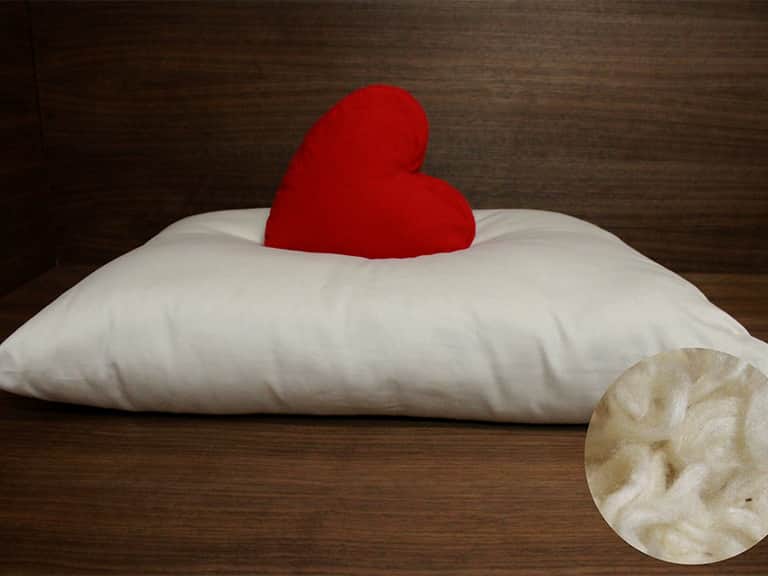
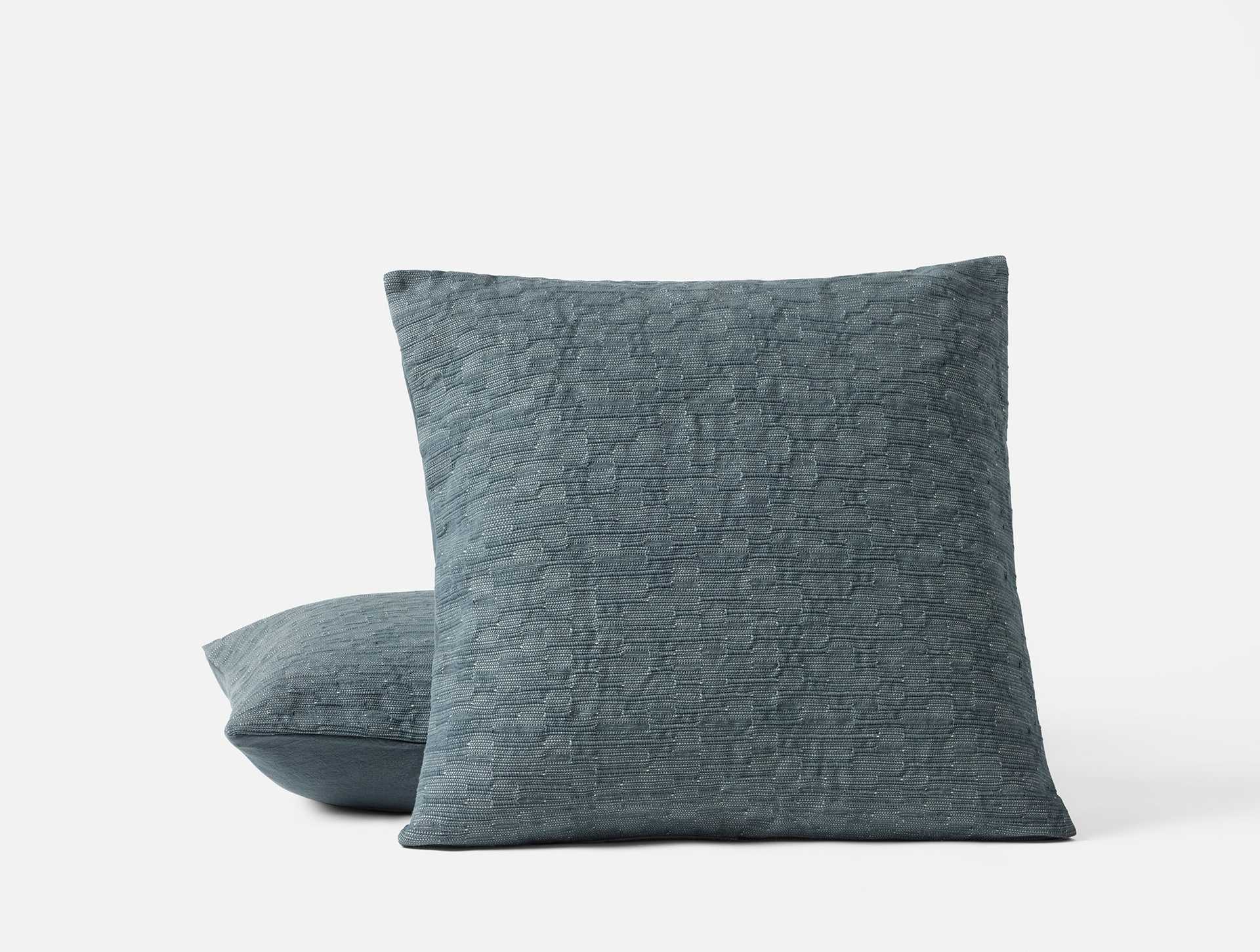
Packaging and construction matter as well. Some latex pillows come as solid latex cores wrapped in breathable covers, sometimes paired with wool or kapok for temperature regulation. Others use shredded latex blends, which can be adjusted for loft by adding or removing filling. The latter approach offers customization—an appealing feature for travelers or those who shift positions during the night. Care instructions vary: some latex cores resist moisture and remain airy, while others require specific cleaning regimens to preserve pore structure and elasticity. In all cases, breathable, natural coverings—organic cotton or linen—enhance comfort and sustainability, aligning with growing consumer demand for materials that blend performance with environmental responsibility.
Across the latex spectrum, a recurring theme is durability. Latex is known for resilience; it tends not to pancake or lose shape as quickly as some synthetic foams. This makes latex a long-haul investment in sleep quality. However, the tradeoffs are real: odor during initial use, higher initial cost, and the need to consider latex allergies in households with sensitive individuals. For allergen-conscious households, GOLS-certified latex or organic latex options paired with certified organic covers can help reduce exposure to residual chemicals and flame retardants, while boosting overall product transparency—an important consideration for a domain dedicated to educational bedding materials.
Key latex pillow categories and notable examples
Several notable players populate the latex pillow category, each with a distinct approach to comfort, health, and sustainability. A few exemplary entries illustrate the range of form and function:
- The Naturepedic Solid Organic Latex Pillow offers a dense, breathable latex core wrapped in a 100% organic cotton cover. Its solid-core design emphasizes stability, with air channels that promote cooling.
- The Suite Sleep Shredded Latex-Tencel Blend Pillow combines a shredded latex core with a Tencel fiber blend for hypoallergenic breathability and adaptive loft—an ideal choice for side sleepers who seek personalized contouring.
- The Savvy Rest Organic Latex Soap-Shaped Pillow embodies a classic silhouette that supports neck alignment, with a removable outer casing and a Dunlop latex core designed for side sleepers who crave a steady, predictable feel.
- Other contenders in the latex family include shredded-latex options that invite customization and long-term comfort, as well as wrapped-core designs that pair latex with temperature-regulating fibers like wool for year-round comfort.
Critically, the latex category is not a marketing label; it is a matter of material science and lived experience. Readers should seek out sources that discuss latex density (often measured in pounds per cubic foot), fill type (Dunlop vs Talalay), and the environmental certifications behind the product. The brands mentioned here—Naturepedic, Suite Sleep, Savvy Rest—illustrate how manufacturers translate latex properties into practical sleep benefits.
Allergies, odors, and health considerations
For households with latex sensitivity, caution is warranted. While latex pillows can be excellent for most sleepers, latex proteins can trigger reactions in a subset of individuals. Some brands mitigate this by using Dunlop latex or Talalay blends with low-protein content, or by offering latex-free cores in complementary product lines. A thoughtful approach combines latex with natural, breathable covers and a clear labeling of material sources and processing methods. For expectant readers and families with children, this is particularly important since sleep quality directly affects daytime functioning and mood.
Odor is another practical concern. New latex products can exhibit a chemical smell. A common strategy to reduce this odor is airing out the pillow for several days in a well-ventilated space before first use, followed by routine use of a breathable, removable cover that can be laundered. Proper care extends the life and performance of latex pillows, especially shredded-latex variants, which can experience loft changes as the fill settles over time.
Care and maintenance: a practical kit
Maintenance is a decisive factor in long-term satisfaction. For latex pillows, consider the following best practices:
- Use a breathable, washable cover made from organic cotton or linen to promote air circulation and skin friendliness.
- Avoid harsh chemical cleaners on latex cores; spot cleaning for the outer covers is typically recommended.
- Allow shredded latex to regain loft by gently fluffing the interior fill and, if needed, adding or removing stuffing to achieve the desired height.
- Store pillows away from direct sun and heat sources to protect the core’s resilience and longevity.
- Follow brand-specific care instructions, especially for protectors and liners that shield the latex core from sweat and oils.
In a time when sleep science increasingly emphasizes ergonomic alignment and individual variation, latex pillows offer a strategic balance of support, breathability, and durability. The practical buys—combined with a credible educational stance—help ensure that readers can navigate the market with confidence, turning a material choice into a durable foundation for better rest.
Three historical voices shaping our understanding of comfort
To illuminate the evolving human relationship with sleep and comfort, we turn to three influential figures across distinct eras who, in different ways, shaped our understanding of cushions, posture, and wellbeing:
- Imhotep (c. 2650–2600 BCE) — The ancient physician and architect whose wisdom on balance and body alignment echoed through centuries: his principles of aligning the body for health echo in modern ergonomic pillows that seek to cradle the head and neck in line with the spine.
- Jean Guitton (1905–1999) — A philosopher who explored the intimate link between space, form, and comfort. Guitton’s reflections on how form can influence mood and cognition translate into contemporary design thinking for sleep environments—where the form and feel of a pillow can affect the arc of a night’s rest.
- Dr. Robert S. Rosenman (1911–1991) — A psychologist whose work on stress and sleep highlighted the importance of rest as an essential health practice. His work underpins the modern emphasis on sleep hygiene and the role of pillows in reducing midnight awakenings due to neck strain and discomfort.
These voices remind us that beyond materials and engineering, sleep is a human practice rooted in history and culture. The latex pillow, with its blend of science and comfort, stands at the confluence of centuries-long inquiry into how we cushion the body for sleep, and how design can nurture healthier, more restorative nights.
A practical guide to buying latex bedding today
When selecting latex bedding, consider the following practical framework:
- Identify your sleep posture and preferred loft. Side sleepers often benefit from higher loft and firmer support, while back sleepers may prefer medium loft with a contour that aligns the neck with the spine. Stomach sleepers typically require a lower loft to minimize neck strain.
- Decide between solid latex cores and shredded blends. Solid latex provides consistent support, while shredded latex offers adjustability and a customizable feel that can evolve with changing sleep preferences.
- Assess density and firmness ratings, expressed as firmness or density indicators from the manufacturer. If possible, test pillows firsthand in-store or through trial periods offered by brands.
- Check certifications and material sourcing. GOLS-certified latex and organic cotton covers are strong signals of environmental and health-conscious manufacturing.
- Factor in allergen considerations and care requirements. For latex-sensitive households, select brands that clearly label materials and allergen information, and consider washable covers with breathable fabrics.
In the end, latex bedding—whether a solid latex pillow or a shredded-latex blend—provides a toolkit for sleep that can be tailored to personal comfort, health concerns, and room temperature dynamics. The goal is a balanced night: neck alignment, breathability, and lasting resilience that makes waking up easier and mornings more energetic.
A small, concrete plug: a product to consider
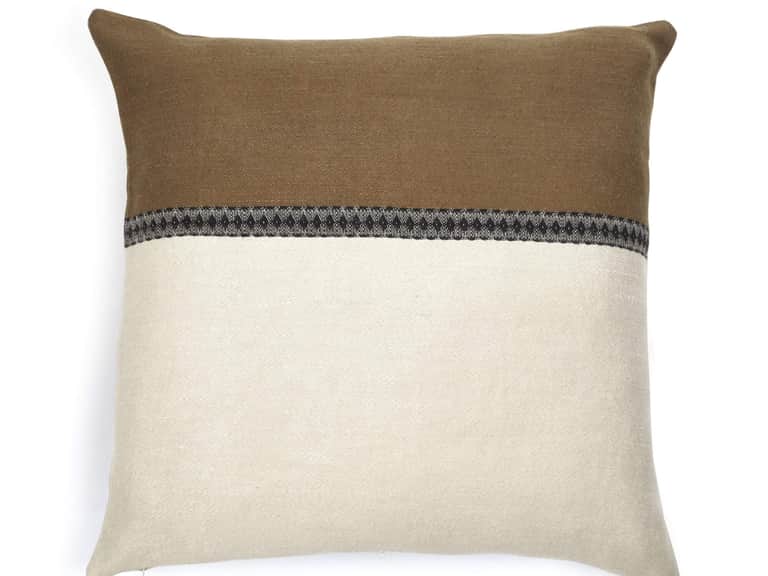
Among the featured offerings, the Etienne Pillow Cover stands out for its artisanal linen texture and tactile finish. While not a pillow itself, a well-chosen cover like the Etienne – crafted from 100% linen with a washed finish – can play a crucial role in managing temperature and skin comfort. It also demonstrates how a complementary textile can deepen the experience of latex bedding by providing an breathable, durable layer that complements the core pillow’s properties. This is a reminder that the full sleep ecosystem—cover, fill, core, and sometimes decorative accents—creates the best possible sleep environment.
The Etienne Pillow Cover is available as a standalone product, with a price of 226.50. It uses a linen fabric that embraces a washed finish, designed to pair with a range of textiles. Its care instructions emphasize delicate washing and line drying to preserve texture and fit. In a modern bedroom, such a cover can contribute to a calm, cohesive aesthetic that aligns with the educational ethos of latexpillows.org: clear, credible, practical information about how materials interact in daily life.
In this way, latex bedding becomes not only a matter of product choice but also a narrative about the sleep environment. It is about the intersection of science, design, and everyday comfort—a space where a well-chosen pillow can align the spine, regulate temperature, and support a healthier, more restorative night.