Travel bedding · Materials guide
Naturepedic on the Move: Understanding Materials and Packability for Travel
A travel pillow has to do two jobs at once: offer enough comfort to make an unfamiliar place feel more restful, and fit into the practical arithmetic of a packed bag. Naturepedic’s organic cotton and latex travel design offers one example of that balance. Its 13-by-18-inch format, shredded latex fill and cotton cover invite a closer look at what portability means—and at the care questions worth considering before departure.
Published October 16, 2026
A small item with a surprisingly large job
Travel changes the conditions in which we rest. A seat may recline only partway; a hotel pillow may feel unfamiliar; a long ride can turn a short nap into an awkward negotiation with the headrest. A compact pillow cannot transform a plane cabin or guarantee a sound night’s sleep. It can, however, provide a familiar surface and a little cushioning when the surroundings are less than ideal.
That usefulness depends on more than softness. A travel pillow must be manageable to carry, suited to the way it will be used, and simple enough to protect and maintain away from home. Size and weight matter, but so do fill, cover, resilience, packability and the possibility of keeping the pillow clean during a journey. A design that feels comfortable at home may be inconvenient if it takes up too much room or requires care that is hard to manage on the road.
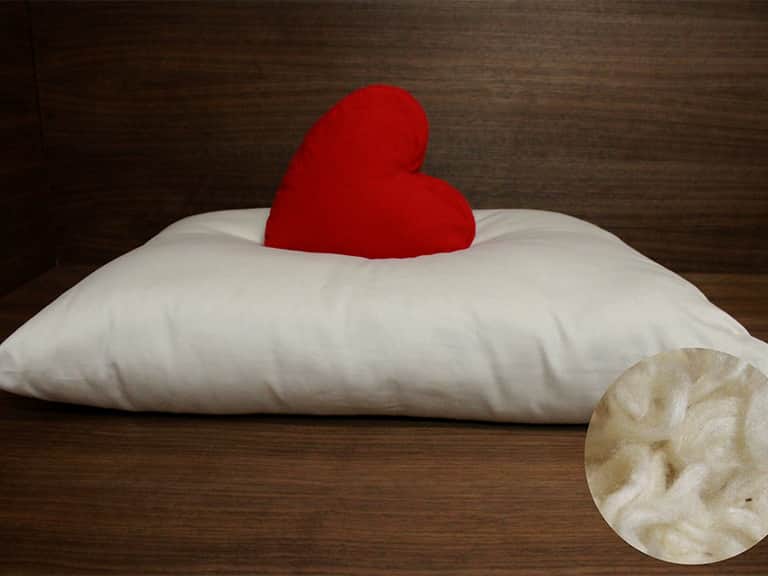
The Naturepedic Organic Cotton and Latex Travel Pillow makes a useful case study because its construction is specific: a soft stretch-knit organic cotton cover surrounds shredded latex pieces blended with approximately 10 percent organic cotton fiber. At 13 by 18 inches, it is a smaller-format cushion rather than a full-size bed pillow. Those details offer a starting point for considering what the pillow is designed to do—and what travelers should assess for themselves.
What the 13-by-18-inch format tells you
Measurements are practical, not merely technical. A 13-by-18-inch pillow is notably more compact than many standard bed pillows, which can make it easier to fit beside clothing in a suitcase, place in a carry-on or keep within reach during a car journey. But the dimensions alone do not tell the whole story. How much space a pillow occupies in a bag also depends on its thickness, the resilience of its fill, whether it can be compressed, and how it is packed.
Shredded latex is made up of pieces rather than one solid molded core. That construction can create a flexible, yielding fill that shifts as the pillow is handled, while retaining a degree of spring. It should not be assumed that every shredded latex pillow can be compressed into a tiny bundle or will return to precisely the same shape after being tightly packed. Before traveling, consider the pillow’s actual packed volume and any care or handling guidance supplied with it.
The compact dimensions may be most relevant when the pillow is being used as a small personal cushion: for a short rest in a hotel room, a train journey, or a seat where a modest layer of support is useful. It may not provide the broad surface or height someone expects from a home bed pillow. Travelers who need to support their head and neck while sitting upright should think about the seat, their sleeping position and the pillow’s shape together, rather than treating dimensions as a promise of fit.
A useful test is to picture the entire trip, not just the moment of use. Will the pillow travel in a day bag, where every inch matters? Will it be left in a car or carried between overnight stops? Is it intended mainly for sleeping in a destination bed, or for resting while in transit? The answers help determine whether the size is an advantage, a compromise, or simply appropriate to the plan.
Why combine latex and cotton?
The materials in a pillow affect its feel, but material names do not tell a complete comfort story. Construction, amount of fill, cover fabric and personal preference all play a part. In this travel design, the cover is made from GOTS-certified organic cotton in a soft stretch knit. The fill consists of latex pieces and a smaller proportion of organic cotton fiber. Together, these elements offer a different experience from a pillow filled entirely with loose plant fiber, down or a solid foam core.
Latex is a resilient material derived from rubber-tree sap. In pillow form, it is valued for its buoyant response: instead of behaving exactly like a highly compressible fiber fill, it tends to push back as pressure is applied. Shredded pieces create a more flexible arrangement than a single molded block, while still offering a latex-based cushioning feel. What that means at the bedside is individual. One sleeper may appreciate a fill that does not flatten as readily; another may prefer the softer, more freely shifting feel of a different material.
The cotton fiber blended into the fill is part of the stated construction, but its presence does not make the pillow a cotton-only cushion. Nor does the word “organic” by itself describe the feel, packed weight or cleaning routine. Those are separate questions, best answered by looking at the product’s exact materials and instructions rather than relying on a broad label.
The stretch-knit cotton cover contributes another layer between the sleeper and the fill. A cover can influence surface feel and help contain the filling, while a separate pillowcase or protector can add a removable layer for routine contact. The available design also offers an optional waterproof pillowcase made with organic cotton jersey and a TPU barrier. That option may be worth considering for travelers who want an additional protective layer, though it adds another item to carry and should be assessed alongside the pillow’s own care instructions.
Support is personal, especially away from home
Travel comfort is not one-size-fits-all. A side sleeper may look for enough loft to help keep the head from tilting toward the mattress. Someone sleeping on their back may prefer a lower, more even cushion. A person using the pillow in an upright seat may need a shape that stays where it is placed, while someone sleeping in a destination bed may care more about familiar softness. No fill can guarantee the same experience for every posture, body or surface.
For that reason, a travel pillow is best judged against the job it is expected to do. A 13-by-18-inch cushion may be convenient for limited packing space, but its dimensions do not automatically make it an ergonomic neck pillow. It is also not a substitute for an adjustable seat or a carefully chosen sleep surface. If neck or back discomfort is a recurring concern, a pillow’s material description cannot determine the cause or provide medical advice. Persistent symptoms merit discussion with an appropriate health professional.
Whenever possible, test the pillow in a setting similar to the one where it will be used. Try placing it behind the head in a chair, on a bed, or against the kind of support available during travel. Notice whether it shifts, whether the height feels comfortable and whether the surface remains pleasant after a few minutes. A quick check at home is more informative than discovering a mismatch halfway through a journey.
It can also help to distinguish between two different uses: cushioning and stabilization. A small pillow may soften contact between the head and a surface, but that does not mean it will hold the neck in a particular position. Travelers who value a pillow for both purposes should check its shape and dimensions against their intended setting rather than assuming that all compact pillows function alike.
Packability: think beyond “small”
Packability is a combination of size, weight, shape and handling. A pillow can be compact in its listed dimensions yet still take up noticeable space once it is placed in a bag. Conversely, a cushion with a resilient fill may be easier to tuck between other items than a bulky, fixed-shape pillow. The product description identifies the Naturepedic travel pillow as lightweight and compact, but it does not provide a packed measurement or weight here. Travelers who need precise luggage planning should confirm those details with the seller or measure the pillow themselves.
How the pillow is packed also matters. A clean, breathable bag can help keep it separate from shoes, toiletries and other items in a suitcase. Avoid placing it beside liquids that could leak, and do not assume that a pillow should be compressed tightly for a long period unless its manufacturer says that is suitable. A little protection from friction and dirt can matter more than elaborate packing equipment.
- Check the actual space available. Compare the 13-by-18-inch dimensions with the pocket, carry-on or luggage space you plan to use.
- Consider the route. A pillow carried on a plane may need to be easy to reach; one packed for a road trip may have different space constraints.
- Plan for protection. A clean case or bag can separate the pillow from other luggage contents.
- Think about the return journey. Leave room for the pillow after it has been used, especially if it cannot be compressed substantially.
- Confirm current product details. Dimensions, materials and available accessories can change; check the current listing before making plans.
Packability is ultimately a judgment about trade-offs. Bringing a familiar cushion takes space, but may feel worthwhile if it makes rest more comfortable. The best travel companion is not necessarily the smallest possible pillow; it is the one whose size, use and maintenance make sense for the journey.
Care on the road: protect the fill, clean the cover
Care instructions deserve attention before a pillow goes into a suitcase. Latex should generally not be treated like washable household fabric. The care guidance for this kind of latex pillow advises against washing the latex itself and warns against exposure to ultraviolet light, which can degrade latex. Covers may be washable when the product’s instructions allow it, but those instructions apply to the cover—not automatically to the latex filling.
That distinction matters on a trip. A spill, damp towel or humid room may tempt a traveler to rinse or sun-dry the pillow. Instead, check the manufacturer’s directions and use a protective pillowcase where appropriate. If the fill becomes damp, do not put it in a dryer or leave it in direct sun unless the specific instructions explicitly permit that approach. Allowing moisture to linger can create its own problems, so prevention is simpler than an improvised clean-up.
A removable pillowcase can make routine care more manageable, particularly when a pillow will be used in several places. The optional waterproof case described for the Naturepedic travel design combines organic cotton jersey with a TPU barrier. A barrier layer can be useful as protection, but it should not be mistaken for permission to wash the pillow insert or expose it to wet conditions. Read the care details for each component separately.
Travel also raises practical hygiene questions. A pillow may rest against a hotel bed, a seat or luggage, so a clean case can serve as a simple boundary between the fill and unfamiliar surfaces. Carrying a spare case may be useful for longer trips, but it adds bulk. For a shorter trip, a single protective cover may be enough, depending on how often the pillow will be used and the traveler’s preferences.
Latex sensitivity and material awareness
Latex is a specific material, not a synonym for a general category of soft foam. People with a known latex allergy or a history of reactions to latex-containing products should take that information seriously when considering a pillow containing latex. Certifications and organic-material claims do not establish that a product is safe for every individual, and a cotton cover should not be treated as a guarantee that the latex fill cannot be relevant.
If you have a latex allergy, ask the manufacturer or a qualified healthcare professional about the product’s construction and your individual risk before use. Keep packaging and material details available when seeking advice. A product description can tell you what materials are identified, but it cannot diagnose sensitivity or replace personalized medical guidance.
For travelers without a known sensitivity, material awareness is still useful. It can help explain why a pillow feels different from down, wool, kapok or conventional synthetic fills, and it can clarify which care routines are appropriate. Good decisions start with clear information: what is inside, what the cover is made from, what is removable and which parts should not be washed.
How it compares with other travel-friendly fills
Latex is only one route to portable cushioning. Wool-filled travel pillows, for example, may emphasize soft, breathable support and natural temperature regulation. A compact wool option can have its own care requirements; some are designed for spot cleaning rather than machine washing. Down and feather fills may offer a lighter, more compressible feel, but their loft and support differ from the springy response commonly associated with latex. Kapok, a plant-based fiber, can feel light and airy, though it is not interchangeable with a latex core.
These differences are not a simple ranking. The question is not whether one material is universally best, but which construction suits the traveler’s priorities. Someone who values resilience may be drawn to shredded latex. A traveler who prioritizes a familiar soft feel may prefer another fill. Someone concerned about washing may focus less on the material’s reputation and more on the exact care instructions for the entire pillow, including its cover.
Useful comparison points include how the pillow responds under pressure, whether its loft can be adjusted, how it behaves when packed, which parts can be washed, and what materials are present. If allergy considerations are important, confirm the full composition rather than relying on a broad “natural” or “hypoallergenic” description. Natural origin alone does not settle questions of sensitivity, durability or ease of care.
A practical checklist before departure
Before taking a travel pillow away from home, make a short review of the basics. This is less about perfect preparation than about avoiding preventable surprises once you are already on the move.
- Match the intended use. Decide whether the pillow is for a bed, a seat, or both; the ideal shape and height may differ.
- Review dimensions. The 13-by-18-inch format is compact relative to a typical bed pillow, but check how it fits your luggage and destination.
- Check the fill. This model uses shredded latex with approximately 10 percent organic cotton fiber. Do not assume the filling can be washed or tightly compressed.
- Choose a cover strategy. Consider a pillowcase or optional protective case, and verify how each layer should be cleaned.
- Read allergy information. If latex sensitivity is a concern, seek individual advice before use.
- Keep care guidance accessible. Save or bring the manufacturer’s instructions rather than relying on general assumptions about pillows.
The measure of a useful travel pillow
A good travel pillow is not defined by a single material, certification or measurement. Its value lies in the fit between its construction and the traveler’s real needs: a comfortable surface, manageable dimensions, sensible protection and a care routine that can be followed away from home.
Naturepedic’s organic cotton and shredded-latex design brings those questions into focus. The 13-by-18-inch format is compact enough to invite consideration for trips; the latex-and-cotton blend offers a particular kind of responsive cushioning; and the cover and care guidance shape how the pillow should be used and maintained. None of those details alone guarantees a better night. Together, they give travelers a more grounded basis for deciding whether the pillow belongs in the bag.
That is the useful promise of a thoughtfully chosen travel cushion—not that it can make every seat a bed, but that it can bring a small measure of familiarity into an unfamiliar setting. The best choice is the one you understand before you leave: how it feels, how it packs, what it contains and how to care for it when the journey is over.
Frequently asked questions
What are the dimensions of the Naturepedic travel pillow?
The listed dimensions are 13 by 18 inches. Check the current product information for any updates and consider the pillow’s thickness and packed volume as well as its length and width.
What materials are used in its fill?
The described fill combines latex pieces with approximately 10 percent organic cotton fiber. The cover is a soft stretch knit made from GOTS-certified organic cotton.
Can a latex travel pillow be machine washed?
Do not assume that it can. The care guidance advises against washing the latex itself. Follow the manufacturer’s directions for the insert and any removable cover or protector separately.
Is a compact travel pillow suitable for every sleeping position?
No single size or fill works equally well for everyone. Consider the pillow’s height, shape and intended setting, and test it before relying on it for a trip.
What if I have a latex allergy?
Because the pillow contains latex, people with a known allergy should seek advice from a qualified healthcare professional and confirm product details with the manufacturer before use.