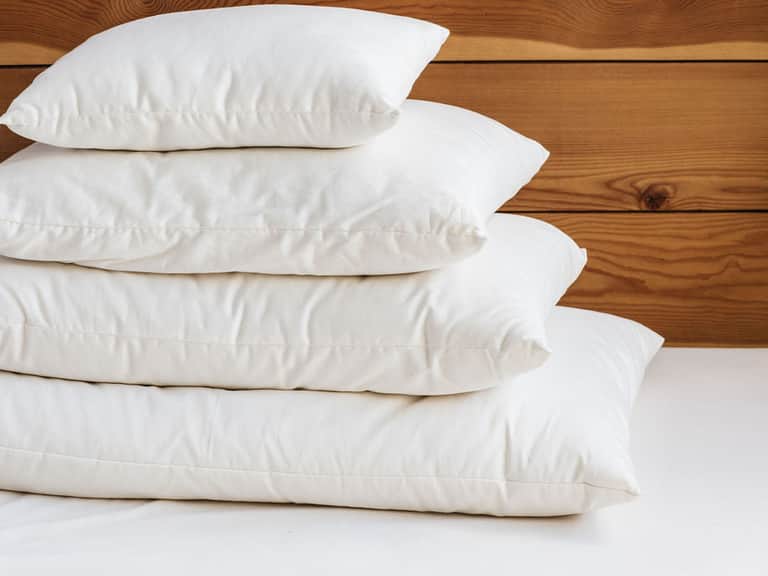
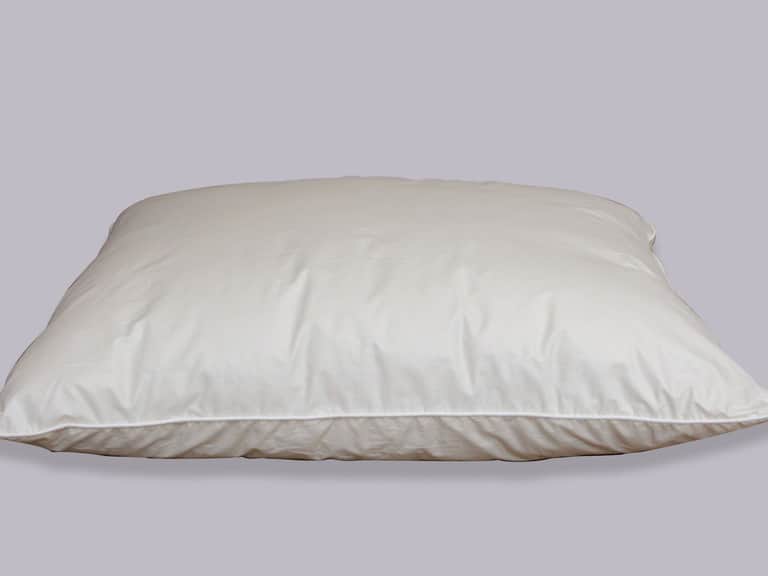
Wool as a filling and fabric offers distinctive properties that influence comfort, temperature regulation, and durability in bedding. Natural wool fibers wick moisture, breathe well, and retain warmth without excessive heaviness. In a category focused on wool, this material’s versatility suits a range of sleeping preferences, from cool climates to those seeking gentle insulation.
Key characteristics of wool pillows include resilient loft, shape retention, and a soft, cushioned feel. Wool fibers can compress under weight yet rebound to support proper alignment of the head and neck. For sleepers seeking hypoallergenic or naturally breathable options, wool provides a low-entrainment option that often resists common irritants.
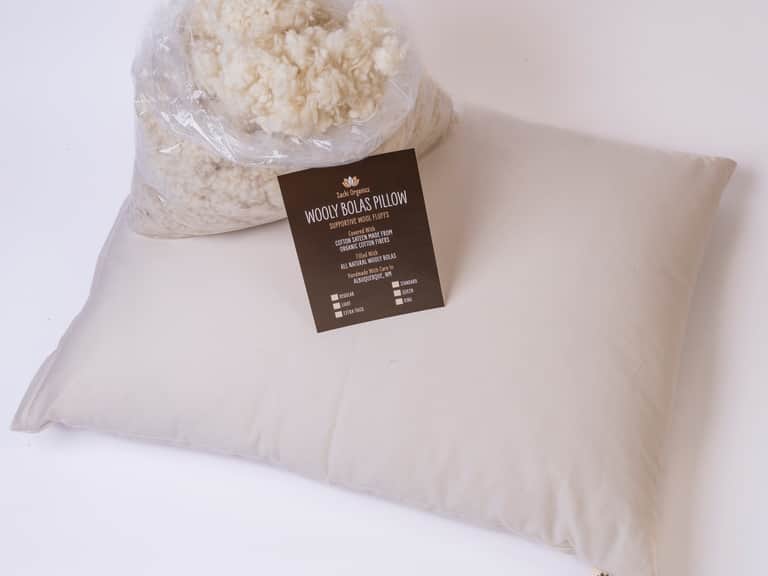
Among wool products, the Wooly Bolas Pillow demonstrates how wool’s insulative and moisture-managing properties translate into practical comfort. Its core relies on tightly spun wool for consistent support, while a breathable outer cover encourages air movement. Such construction helps regulate temperature across sleep cycles and reduces night sweats for sensitive sleepers.
The Alpaca and Wool Pillows combine two natural fibers known for softness and warmth. Alpaca adds a silky feel with low pilling, and when paired with wool, the result is a balanced cushion that is supportive yet gentle. This pairing supports back, neck, and shoulder comfort, particularly for side sleepers requiring layered support.
Understanding wool in bedding involves recognizing its durability, easy maintenance, and suitability for varied sleep positions. Wool’s natural elasticity maintains shape over time, while its moisture-management helps maintain a dry and comfortable microclimate. In bedding discussions, these attributes underscore wool's functional relevance alongside related materials like latex, down, or other fill options.
 Bedding